
Show 1431: Vitamin C Studies on Colds & Cancer Vindicate Linus Pauling
The People's Pharmacy
Joe and Terry Graedon
4.6 • 1.2K Ratings
🗓️ 21 May 2025
⏱️ 74 minutes
🧾️ Download transcript
Summary
This week, two scientists discuss the evidence on using vitamin C to treat colds and as part of the treatment for cancer. For years, the medical establishment has maintained that such claims could not be considered seriously. But new studies vindicate Linus Pauling, the Nobel Prize winner who postulated that vitamin C would help.
You could listen through your local public radio station or get the live stream on Saturday, May 24, 2025, at 7 am EDT on your computer or smart phone (wunc.org). Here is a link so you can find which stations carry our broadcast. If you can’t listen to the broadcast, you may wish to hear the podcast later. You can subscribe through your favorite podcast provider, download the mp3 using the link at the bottom of the page, or listen to the stream on this post starting on May 26, 2025.
Studies That Vindicate Linus Pauling:
In 1970 the Nobel Prize-winning chemist, Dr. Linus Pauling, published a paperback book titled Vitamin C and the Common Cold. Although this idea captured the public imagination, it got a lot of pushback from scientists. Most of the American medical establishment rejected Pauling’s claims that vitamin C could help people recover from the common cold. They were especially dismissive of the idea that vitamin C might be helpful in treating cancer.
However, there have been a number of studies conducted over the decades since then. The weight of the evidence now seems to vindicate Linus Pauling.
Does Vitamin C Help Recovery from the Common Cold?
Our first guest, Dr. Harri Hemilä of Helsinki, Finland, has done several meticulous systematic reviews of the research. Although some people expect supplemental vitamin C to prevent colds, it does not appear to prevent colds except among people doing extreme physical activity (Polish Archives of Internal Medicine, Jan. 30, 2025).
Instead, however, studies show that at doses considerably higher than the RDA vitamin C can reduce the duration and severity of these upper respiratory tract viral infections (BMC Public Health, Dec. 11, 2023). To achieve this, people take a dose of 6 to 8 grams per day. That is a lot more vitamin C than you would get from a morning glass of orange juice.
Of course, we worry about the potential harms of consuming an excessive dose of vitamin C. According to Dr. Hemilä, taking this amount for as long as a cold might last does not produce serious side effects. If one were to take it for a lot longer, that might not be the case. Some reports suggest that long-term high-dose vitamin C supplementation might trigger kidney stones.
Cancer Studies Vindicate Linus Pauling on Vitamin C:
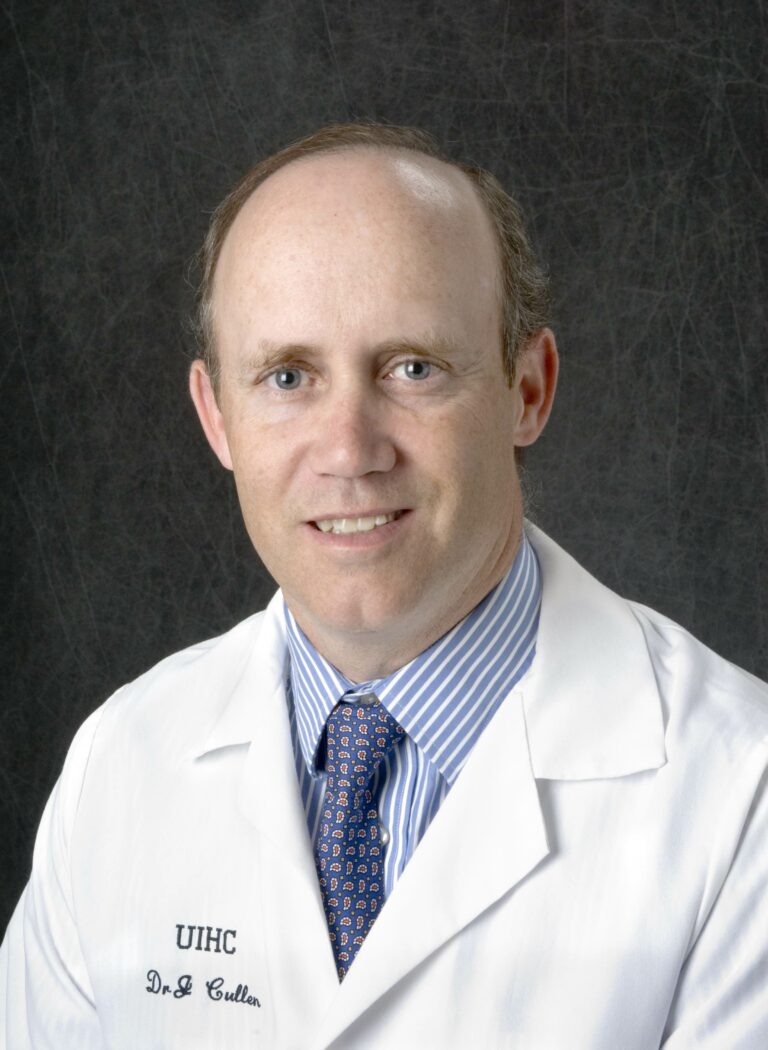
We turn our attention next to a surgeon who treats patients with pancreatic cancer. This type of cancer usually has a grim prognosis. Dr. Joseph Cullen was intrigued by a report that high-dose vitamin C could inhibit the growth of cancer cells, so he and his team tested that possibility in tissue culture. They were impressed at the excellent results they achieved at this first step of the research. However, the benefits were only seen at extremely high doses of vitamin C. This is consistent with preliminary research conducted by Linus Pauling and a colleague testing intravenous (IV) administration of vitamin C in cancer patients. To get exposure to that level of vitamin C (ascorbate) requires IV dosing.
The next step in Dr. Cullen’s research was to test vitamin C in mice with experimentally induced cancer. His team administered vitamin C in conjunction with radiation. Once again, the results were promising.
How Does Vitamin C Affect Cancer Cells?
At low doses, such as those we can get by eating strawberries, bell peppers or oranges, vitamin C is an antioxidant. At the very high doses achieved only by IV administration of 75 grams of ascorbate, this compound acts as a pro-oxidant. It generates hydrogen peroxide that attacks cancer cells.
Dr. Cullen’s team continued their research with a preliminary clinical trial (Redox Biology, Nov. 2024). By administering IV vitamin C together with the usual chemotherapy drugs for pancreatic cancer, they were able to help those patients survive twice as long as those getting chemotherapy alone. Of course we asked about side effects; Dr. Cullen reports that people become very thirsty during the infusion. The scientists did not observe any serious adverse reactions.
Using IV Vitamin C for Other Cancers:
In addition to pancreatic cancer, Dr. Cullen and his collaborators have tested the effects of this treatment in another cancer that is notoriously difficult to treat. They found that cells of the brain cancer glioblastoma were far more vulnerable to radiation In the presence of high-dose ascorbate. On the other hand, normal cells suffered less radiation damage.
With such success, Dr. Cullen’s team and some others are conducting pre-clinical research on some other cancers. Not all types of cancer appear to respond to high-dose IV vitamin C. Apparently, a trial of prostate cancer was disappointing. However, there is now adequate evidence of the potential benefits of vitamin C when used properly to vindicate Linus Pauling and his conviction that this remarkable compound could contribute enormously to human health.
This Week’s Guests:
Harri Hemilä, MD, PhD, is an adjunct professor at the University of Helsinki in Finland. His research has focused on vitamin C, vitamin E, and zinc lozenges for respiratory infections, and he has also analyzed the effects of vitamin E on mortality.
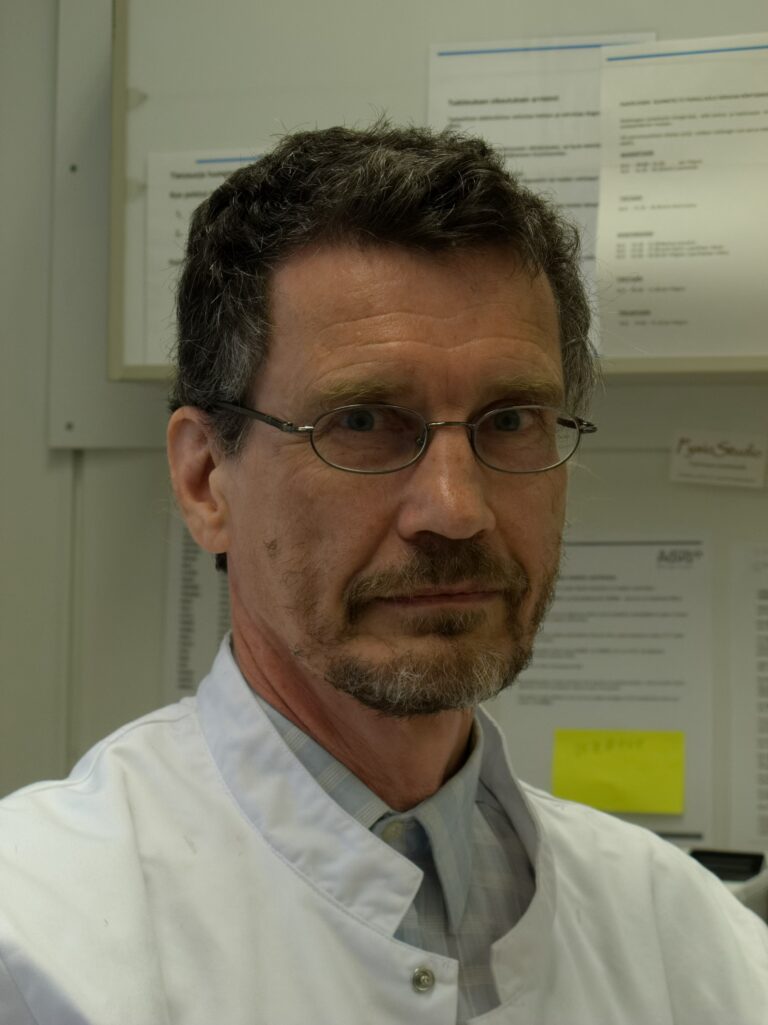
Dr. Harri Hemilä
Joseph J. Cullen, MD, is Professor of Surgery, Gastrointestinal Surgery and Radiation Oncology at the University of Iowa College of Medicine. His website is https://surgery.medicine.uiowa.edu/profile/joseph-cullen
Listen to the Podcast:
The podcast of this program will be available Monday, May 26, 2025, after broadcast on May 24. This week’s podcast contains additional discussion with Dr. Hemilä about the use of zinc in treating the common cold. What type of zinc is best? Should you take tablets or suck on lozenges? Are there any worrisome side effects? We explore briefly the possibility of using both zinc and vitamin C to reduce the duration of a cold. You can stream the show from this site and download the podcast for free, or you can find it on your favorite platform.
Download the mp3, or listen to the podcast on Apple Podcasts or Spotify.
Transcript
Click on a timestamp to play from that location
| 0:00.0 | I'm Joe Graydon. And I'm Terry Graydon. Welcome to this podcast of the People's Pharmacy. |
| 0:06.1 | You can find previous podcasts and more information on a range of health topics at |
| 0:11.5 | people's pharmacy.com. When Nobel Prize winner, Linus Pauling, wrote vitamin C in the common cold, |
| 0:20.4 | he created an ongoing controversy. |
| 0:23.9 | This is the People's Pharmacy with Terry and Joe Graydon. |
| 0:31.7 | Back in the 20th century, many physicians honored Dr. Linus Pauling for his research in the field of biochemistry. |
| 0:41.7 | He's the only sole recipient of two Nobel Prizes, one of which was for peace. |
| 0:47.1 | Dr. Pauling's research about vitamin C was scorned by the medical community. |
| 0:52.5 | His ideas about the common cold and cancer were rejected. |
| 0:56.6 | Today we'll learn about the evidence on a scorebait for these conditions. |
| 1:00.4 | Coming up on the people's pharmacy, vitamin C studies on colds and cancer vindicate Dr. Linus Pauling. |
| 1:17.1 | In the People's Pharmacy Health Headlines, |
| 1:22.6 | Schingles vaccinations are designed to improve the immune response to the chickenpox virus and reduce the likelihood of a shingles outbreak. |
| 1:25.5 | A few weeks ago, we reported on studies linking |
| 1:29.2 | the shingles vaccine to a lower chance of developing dementia. Now, researchers have analyzed |
| 1:36.4 | data from South Korea on more than a million people over 50 years old. People who received a |
| 1:42.6 | shingles vaccine were at 25% lower risk of major cardiovascular events. |
| 1:49.8 | They appeared to get protection from heart failure, stroke, and heart rhythm disturbances, |
| 1:55.5 | as well as heart attacks. This protection was apparent for up to eight years after vaccination. The investigators suggest that |
| 2:03.4 | Schingles vaccine should become part of a public health strategy. According to the Alzheimer's Association, |
| 2:11.1 | over 7 million Americans now have Alzheimer's disease. Over the next 25 years, this form of dementia is expected to double. |
| 2:20.9 | There are no medications that prevent AD, and the drugs that have been approved in recent years barely slow the decline. |
... |
Please login to see the full transcript.
Disclaimer: The podcast and artwork embedded on this page are from Joe and Terry Graedon, and are the property of its owner and not affiliated with or endorsed by Tapesearch.
Generated transcripts are the property of Joe and Terry Graedon and are distributed freely under the Fair Use doctrine. Transcripts generated by Tapesearch are not guaranteed to be accurate.
Copyright © Tapesearch 2026.