
Show 1424: Breathing Better Despite Pollution, Infections, Asthma or COPD
The People's Pharmacy
Joe and Terry Graedon
4.6 • 1.2K Ratings
🗓️ 27 March 2025
⏱️ 66 minutes
🧾️ Download transcript
Summary
This week, we talk with a pulmonologist–a doctor who takes care of people with lung problems. Our topics range from common respiratory infections to the hazards of breathing smoke from forest fires. We also discuss asthma and COPD. Listen to find out how you could be breathing better.
You could listen through your local public radio station or get the live stream at 7 am EDT on your computer or smart phone (wunc.org). Here is a link so you can find which stations carry our broadcast. If you can’t listen to the broadcast, you may wish to hear the podcast later. You can subscribe through your favorite podcast provider, download the mp3 using the link at the bottom of the page, or listen to the stream on this post starting on March 31, 2025.
Breathing Better Despite Infections:
We are finally emerging from an especially severe flu season. After a few years during and right after the pandemic in which there was relatively little influenza, this year was challenging. Preliminary data from the CDC suggest that between 40 million and 75 million Americans suffered from influenza or flu-like illnesses between October and March. As many as 1.2 million had to be hospitalized. The influenza viruses (there are many) are not the only pathogens that can cause coughing, fever or trouble breathing. Many others might also result in upper respiratory infections that can progress to bronchitis or lower respiratory infections and lead to wheezing or shortness of breath. A bad cold will do that for some people. Human metapneumovirus is not widely recognized and is difficult to pronounce. The infection with this virus starts like a bad cold but it produces a terrible cough that can last for weeks.
How can doctors help a patient with a respiratory infection? If the problem is influenza, they could prescribe a medicine such as oseltamivir (Tamiflu) or baloxavir (Xofluza). These medicines can shorten the duration of flu symptoms and possibly make them less severe. However, they work best when taken as soon as possible (within 48 hours) of the first symptoms appearing.
To learn whether that sore throat and sniffle is leading to flu, you might want to keep a test handy at home. There are several on the market that can determine if you have COVID-19 or influenza A. Then, if you have access to a patient portal, use it to communicate the results to your healthcare provider and get a prompt prescription.
What About a Cold?
While flu or COVID can be serious, colds are far more common. Doctors do not have much in their tool kits to help you recover from a cold, but there are a few things you can do for yourself. Spending some time in sunlight can be very useful. Dr. Seheult suspects that the benefits go beyond the amount of vitamin D you might make through that exposure. In addition, we have seen studies supporting the use of vitamin C supplements to recover from a cold more quickly.
Breathing Better with Improved Ventilation:
During the pandemic, air quality and ventilation got more attention than ever before. Now, although we may be less concerned about airborne pathogens, we still need to pay attention to air quality. Forest fires, whether in California, the Carolinas or any other part of the continent, can put out a lot of smoke. Wildfire smoke carries small particles that can penetrate deep in the lungs and do a lot of damage. Air conditioning may help clean indoor air. So can an inexpensive do-it-yourself air filtering system called a Corsi-Rosenthal box. Here is a link to the show in which we describe how to make one at home.
Struggling to Exhale:
Dr. Seheult also describes the Global Initiative for Asthma, or GINA. Asthma is reversible airway inflammation. Sometimes this is caused by allergic reactions. Infections may also cause inflammation and lead to asthma exacerbations. In the presence of inflammation, the smooth muscle around the little airways deep in the lungs constrict. This makes it difficult to exhale and make room for the next fresh new breath.
The problem is similar in chronic obstructive pulmonary disease (COPD), in that inflammation tightens those critical small airways and interferes with exhalation. That in turn can keep the patient from being able to take a good breath in. In COPD, however, the inflammation is irreversible.
Both asthma and COPD may respond to drugs that activate beta receptors (“beta agonists”). The long-acting beta agonists (LABAs) are especially prominent. Inhaled steroids can calm the inflammation in both conditions so people can start breathing better. In some instances, an antibiotic like azithromycin can reduce exacerbations. We don’t know whether it is working by fighting off hidden pathogens, or whether it is also reducing inflammation. In COPD, anticholinergic drugs may be able to relax airways even beyond the effects of the beta agonists. If calming inflammation is not good enough, people may need a rescue inhaler.
When Should You Get Emergency Attention?
People experiencing shortness of breath, especially if they are also having fevers, chills or night sweats, should get medical attention promptly.
This Week’s Guest:
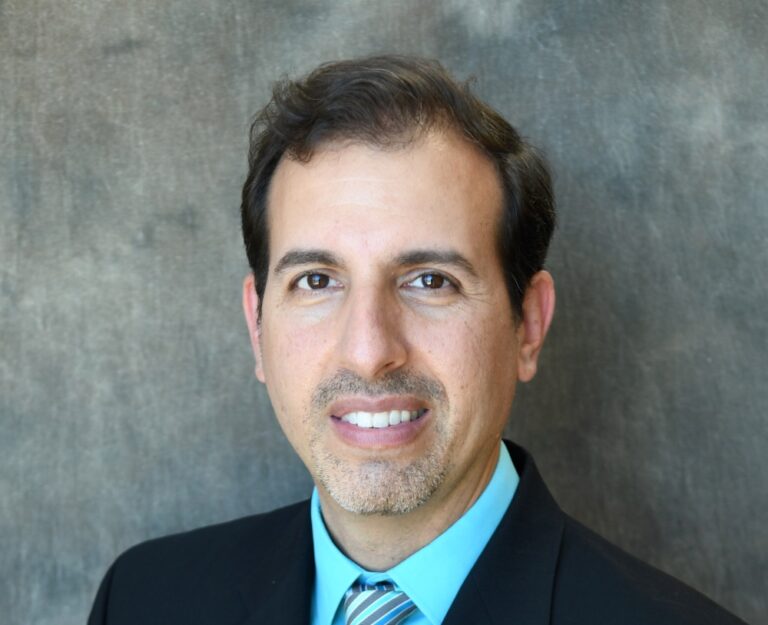
Dr. Roger Seheult is an Associate Clinical Professor at the University of California, Riverside School of Medicine, and an Assistant Clinical Professor at the School of Medicine and Allied Health at Loma Linda University.
Dr. Seheult is quadruple board-certified in Internal Medicine, Pulmonary Diseases, Critical Care Medicine, and Sleep Medicine through the American Board of Internal Medicine. HIs current practice is in Beaumont, California where he is a critical care physician, pulmonologist, and sleep physician at Optum California.
He lectures routinely across the country at conferences and for medical, PA, and RT societies, is the director of a sleep lab, and is the Medical Director for the Crafton Hills College Respiratory Care Program.
Roger Seheult, MD, MedCram, Loma Linda, UC-Riverside
MedCram
In 2012 he and Kyle Allred founded MedCram L.L.C., a medical education company with CME-accredited videos that are utilized by hospitals, medical schools, and hundreds of thousands of medical professionals from all over the world (and over 1 million YouTube Subscribers). His passion is “demystifying” medical concepts and offering people the tools for staying healthy.
We have found Dr. Seheult’s MedCram videos amazing. He makes many complex medical topics understandable. This is a skill that few of Joe’s professors in the University of Michigan’s Department of Pharmacology could claim.
Dr. Seheult was the recipient of the 2021 San Bernardino County Medical Society’s William L. Cover MD Award for Outstanding Contribution to Medicine and the 2022 UnitedHealth Group’s The Sages of Clinical Service Award. In 2022 both Roger Seheult and Kyle Allred received the HRH Prince Salmon bin Hamad Al Khalifa Medical Merit Medal from the Kingdom of Bahrain for their contribution to health policy in the Kingdom of Bahrain.
Listen to the Podcast:
The podcast of this program will be available Monday, March 31, 2025, after broadcast on March 29. You can stream the show from this site and download the podcast for free. In addition to what you hear on the broadcast, the podcast also contains information about TRP channels and home remedies for coughs. We also discuss the heart drug amiodarone and its effects on the lung, along with the nature of interstitial lung disease and how to treat it. You’ll also learn about the pros and cons of OTC inhalers. Can they get you breathing better?
Download the mp3, or listen to the podcast on Apple Podcasts or Spotify.
Transcript
Click on a timestamp to play from that location
| 0:00.0 | I'm Joe Graydon. |
| 0:01.5 | And I'm Terry Graydon. |
| 0:02.9 | Welcome to this podcast of the People's Pharmacy. |
| 0:06.0 | You can find previous podcasts and more information on a range of health topics at |
| 0:11.5 | People's Pharmacy.com. |
| 0:14.7 | Most of us don't think much, if at all, about breathing. |
| 0:18.4 | It's automatic. |
| 0:19.4 | But if you can't breathe, it rapidly becomes a crisis. |
| 0:23.4 | This is the People's Pharmacy with Terry and Joe Graydon. |
| 0:31.7 | Whether it's pneumonia, influenza, or respiratory syncytial virus, lung infections can be serious. |
| 0:40.9 | Few of us have heard of human metanumovirus, but it sure leads to a horrible cough that's tough to shake. |
| 0:48.2 | Wildfires put a lot of smoke in the air, and that makes breathing difficult. |
| 0:53.1 | How can you keep from inhaling particulate matter? |
| 0:56.9 | Asthma and COPD interfere with lung function. |
| 1:00.9 | Coming up on the people's pharmacy, breathing better despite pollution, infections, |
| 1:06.0 | asthma, or COPD. |
| 1:13.9 | In the P. pharmacy health headlines, the ultimate measure of public health is death, |
| 1:20.4 | particularly avoidable mortality. |
| 1:23.1 | A recent study looked at such preventable deaths of adults under 74 in the United States and incomparable |
| 1:29.6 | high-income countries between 2009 and 2021. Avoidable mortality included both deaths that could |
| 1:37.9 | have been prevented with public health measures and those that should have been avoided with |
| 1:42.5 | timely and appropriate medical care. |
... |
Please login to see the full transcript.
Disclaimer: The podcast and artwork embedded on this page are from Joe and Terry Graedon, and are the property of its owner and not affiliated with or endorsed by Tapesearch.
Generated transcripts are the property of Joe and Terry Graedon and are distributed freely under the Fair Use doctrine. Transcripts generated by Tapesearch are not guaranteed to be accurate.
Copyright © Tapesearch 2026.