

Show 1343: Hidden Harms of Herb and Drug Interactions
The People's Pharmacy
Joe and Terry Graedon
4.6 • 1.2K Ratings
🗓️ 9 June 2023
⏱️ 59 minutes
🧾️ Download transcript
Summary
Millions of Americans take dietary supplements, and most of us assume that they are safe. While that is probably a reasonable rule of thumb, there are some situations that require more vigilance. In particular, we need to beware of herb and drug interactions. Even your doctor may not know about the hidden harms.
How Risky Are Herb and Drug Interactions?
It’s easy to compartmentalize–drugs in the pill box, herbs in the bottle. Even though we think we can easily distinguish between medications and natural products, our bodies cannot. Our cells use the same machinery (mostly enzymes) to manage whatever we take, including food and herbs as well as drugs. Certain herbs, such as St. John’s wort (Hypericum perforatum), have profound effects on those enzymes. That, in turn, can change how our bodies handle medications we may be taking. Might taking St. John’s wort to ease a depressed mood result in birth control pills losing their effectiveness?
Waking Up with Grapefruit:
The tart taste of grapefruit juice is certainly a wonderful way to wake up sleepy taste buds in the morning. But we are talking here about a different sort of wake-up call. Back in 1991, scientists published a study with some astonishing results. Grapefruit juice used to mask the flavor of alcohol significantly increased blood levels of the blood pressure pill felodipine (Lancet, Feb. 2, 1991). This was enough to produce unpleasant symptoms such as flushing and dizziness. Orange juice did not produce the same effects.
Why was this a wake-up call? First of all, it was the first report of grapefruit affecting medications. There is now a significant list of drugs that interact with grapefruit. Elevated blood levels of these medicines can make side effects more likely.
Secondly, the importance of grapefruit interactions with felodipine, simvastatin and other common medicines alerted us to the possibility of herb and drug interactions. These are not always widely publicized, though. How can you protect yourself from the hidden harms
Learning About Herb and Drug Interactions:
If you are taking herbal supplements as well as pharmaceuticals, ask your pharmacist to help you check on potential interactions. The website for the National Center for Complementary and Integrative Health (NCCIH) has some information that can be helpful. Moreover, your pharmacist should have access to the Natural Medicines Database, an excellent resource on this topic. Other online resources such as WebMD or drugs.com may also guide you to information.
One problem is that scientists have not studied herb and drug interactions extensively. Some of the warnings that you may find online might be based on test tube studies that don’t always translate well into human bodies. For example, some sites warn that ginkgo and ginseng interact with numerous drugs. In practice, however, integrative healthcare providers rarely see any hidden harms associated with these herbs.
There are other herbs that may interact with drugs, however. Goldenseal and the berberine compound it contains may interact with several medicines, including aromatase inhibitors, statins, metformin and anti-androgens (Scientific Reports, June 16, 2016).
Drug and Nutrient Interactions:
Herb and drug interactions are not the only possible sources of hidden harm. Some medicines can increase nutritional requirements. For example, the diabetes drug metformin can lead to low levels of vitamin B12 over time. People taking this medication for an extended time should have their B12 levels tested every year. They may need to take supplements.
Another nutrient-interaction appears with blood pressure pills known as ACE inhibitors or ARBs. These can reduce levels of zinc, a mineral that is critical for proper immune function. Testing for zinc is difficult, and doctors don’t often do it.
Discussing Herb and Drug Interactions with Your Healthcare Partner:
Some people are reluctant to tell their doctor or PA that they are taking herbal supplements. They worry that the provider will scold them or make fun of them. But to protect yourself from the hidden harms of herb and drug interactions, it is essential to talk about what you are taking and why. You may be able to adjust either your medication regimen or your herbal supplements.
This Week’s Guests:
D. Craig Hopp, Ph.D., is deputy director of the Division of Extramural Research at the National Center for Complementary and Integrative Health (NCCIH). In addition to serving as deputy director, Dr. Hopp continues to oversee the administration of the product integrity policy. This involves evaluation of proposed study materials to ensure they are safe and properly characterized. He also focuses on large-scale projects such as research on drug-natural product interactions, the innovation and technology research center, and the Consortium for Advancing Research on Botanical and Other Natural Products (CARBON) program. Dr. Hopp uses his expertise and experience in the field of natural products to help shape research priorities at NCCIH. https://www.nccih.nih.gov/about/staff/d-craig-hopp
The photo of Dr. Hopp is by Lisa Helfert.

Craig Hopp, PhD
Dr. Tieraona Low Dog is a founding member of the American Board of Physician Specialties, American Board of Integrative Medicine and the Academy of Women’s Health. She was elected Chair of the US Pharmacopeia Dietary Supplements/Botanicals Expert Committee and was appointed to the Scientific Advisory Council for the National Center for Complementary and Alternative Medicine. Her books include: Women’s Health in Complementary and Integrative Medicine; Life Is Your Best Medicine and Fortify Your Life: Your Guide to Vitamins, Minerals, and More. Her website is drlowdog.com
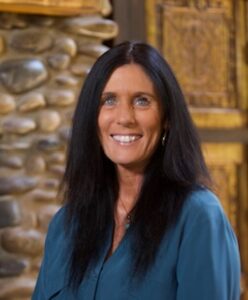
Dr. Tieraona Low Dog describes natural ways to treat heartburn
Listen to the Podcast:
The podcast of this program will be available Monday, June 12, 2023, after broadcast on June 10. You can stream the show from this site and download the podcast for free.
Transcript
Click on a timestamp to play from that location
| 0:00.0 | I'm Joe Gradyden and I'm Terry Gradyen welcome to this podcast of the |
| 0:05.2 | People's Pharmacy. You can find previous podcasts and more information on a range of |
| 0:10.8 | health topics at people's pharmacy.com. |
| 0:14.8 | Dietary supplements are big business. |
| 0:18.4 | Many Americans swallow a handful of pills every day. |
| 0:21.8 | Do they interact? This is the People's Pharmacy with Terry and Joe |
| 0:27.0 | Grady. People take a range of herbs and supplements, from turmeric and melatonin to vitamin |
| 0:40.0 | D and zinc. Do any of these have an effect on medicines we may be taking? |
| 0:45.0 | We first heard how grapefruit juice could alter drug metabolism back in the early 1990s. |
| 0:51.0 | Most health professionals were skeptical, but it turns out that plants can |
| 0:55.8 | affect how our bodies react to medications. |
| 0:59.1 | How do physicians and pharmacists learn about incompatibilities between medicines and natural products. |
| 1:05.0 | Coming up on the People's Pharmacy, avoiding dangerous herb and drug interactions. |
| 1:17.9 | In the People's Pharmacy Health Headlines, Long COVID has become a common complication |
| 1:20.9 | of SARS COovee to infection. |
| 1:23.2 | Debilitating symptoms may linger for months or years. |
| 1:26.9 | Doctors refer to this condition as post-acute sequelae of SARS Kove2 infection. Researchers have had trouble studying it because they |
| 1:36.7 | needed a uniform definition. Some have counted more than 200 possible symptoms of long |
| 1:42.4 | COVID. A study published in Jama offers a more manageable |
| 1:46.7 | list with a strong connection to long COVID. Investigators recruited 9,764 people, most of whom had been previously diagnosed with COVID. |
| 1:58.0 | Those with long COVID were much more likely to report one of the following symptoms. Post exertional |
| 2:04.8 | malays, fatigue, dizziness, brain fog, and gastrointestinal problems. Post exertionalalaise refers to worsening symptoms following even minor physical |
... |
Please login to see the full transcript.
Disclaimer: The podcast and artwork embedded on this page are from Joe and Terry Graedon, and are the property of its owner and not affiliated with or endorsed by Tapesearch.
Generated transcripts are the property of Joe and Terry Graedon and are distributed freely under the Fair Use doctrine. Transcripts generated by Tapesearch are not guaranteed to be accurate.
Copyright © Tapesearch 2026.