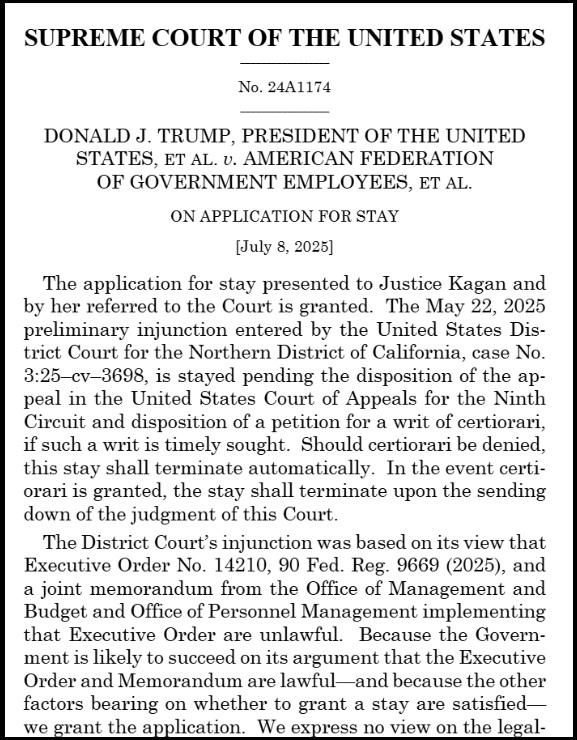
= Two-Thirds of ALL VOTERS say Important Ain't just a MAGA thinga'
 Kash very clearly said that if he had access to evidence showing criminals engaged felonious activity on Epstein island, we would know about it, then proceeds to hint that the evidence we are looking for might be somewhere else. People have been alleging this means Kash is engaged in a cover up, but I think he is trying to tell us that someone else already covered it up, and the evidence is somewhere else. Whether that be the CIA, a different agency, hidden somewhere, another nation’s intelligence agency, destroyed, etc. I think Kash was trying to warn us that the stuff we want about Epstein, and probably a great deal of other topics, is missing from FBI/DOJ records. I don’t think Kash, Bongino, and Bondi are the ones doing the covering up. I think the cover up already happened.
In a national security case in the United States, the agencies involved depend on the nature of the case (e.g., terrorism, espionage, cyber threats, or foreign interference). Here are the primary agencies typically involved:
For a national security case involving espionage and foreign interference in the United States, the following agencies would likely be involved, with their roles tailored to these specific threats:
- Federal Bureau of Investigation (FBI):
- Leads the investigation as the primary agency for counterintelligence and domestic espionage cases.
- Investigates individuals or entities suspected of spying for foreign governments or engaging in foreign interference (e.g., influence operations, election meddling).
- Coordinates through its Counterintelligence Division and field offices.
- Central Intelligence Agency (CIA):
- Provides foreign intelligence on the activities of foreign governments or their operatives involved in espionage or interference.
- Works overseas to gather intelligence or disrupt foreign operations but has no domestic law enforcement role.
- National Security Agency (NSA):
- Monitors and collects signals intelligence (SIGINT) to detect communications related to espionage or foreign interference.
- Supports cyber investigations if interference involves cyberattacks or digital espionage.
- Department of Justice (DOJ):
- Oversees legal actions, including prosecutions for espionage (e.g., under the Espionage Act) or violations of foreign agent laws (e.g., FARA).
- The National Security Division leads coordination on legal and policy matters.
- Department of Homeland Security (DHS):
- Involved if foreign interference targets critical infrastructure (e.g., elections, power grids).
- The Cybersecurity and Infrastructure Security Agency (CISA) counters cyber-based interference, such as hacking or disinformation campaigns.
- DHS may also investigate visa fraud or border-related issues tied to espionage.
- Office of the Director of National Intelligence (ODNI):
- Facilitates intelligence-sharing among agencies to ensure a unified response.
- May analyze foreign interference campaigns through entities like the Foreign Malign Influence Center.
- Department of State:
- Handles diplomatic responses, such as expelling foreign diplomats involved in espionage.
- Coordinates with foreign governments if the case involves allies or international agreements.
- The Bureau of Intelligence and Research (INR) may provide diplomatic intelligence.
- Defense Intelligence Agency (DIA):
- Involved if espionage targets military secrets or involves foreign military actors.
- Provides intelligence on foreign military capabilities or intentions.
- Department of Defense (DoD):
- Engages if espionage compromises military systems, personnel, or contractors.
- U.S. Cyber Command may respond to cyber espionage targeting DoD networks.
- Federal Election Commission (FEC) or Election Assistance Commission (EAC) (if election-related):
- Support investigations into foreign interference in elections, though their roles are limited to regulatory oversight.
- CISA and FBI take the lead on election security.





 (@AwakenedOutlaw)