
Show 1412: Beyond Amyloid: The Science That Could Change the Course of Alzheimer Disease
The People's Pharmacy
Joe and Terry Graedon
4.6 • 1.2K Ratings
🗓️ 20 December 2024
⏱️ 76 minutes
🧾️ Download transcript
Summary
This week, we look at the new pharmaceuticals that the FDA has approved for treating Alzheimer disease. Although they are effective at removing amyloid plaques from the brain, they don’t seem to help patients function better. Is it time to turn away from an exclusive focus on amyloid to consider other factors that might affect cognitive decline and change the course of Alzheimer disease?
You could listen through your local public radio station or get the live stream at 7 am EDT on your computer or smart phone (wunc.org). Here is a link so you can find which stations carry our broadcast. If you can’t listen to the broadcast, you may wish to hear the podcast later. You can subscribe through your favorite podcast provider, download the mp3 using the link at the bottom of the page, or listen to the stream on this post starting on December 23, 2024.
Changing the Course of Alzheimer Disease:
Even though pharmaceutical firms have spent billions of dollars developing drugs to reduce amyloid in the brain, they haven’t changed the course of Alzheimer disease. Perhaps we need to be looking beyond amyloid at other risk factors. Dr. Dale Bredesen says he and his colleagues have identified more than 36 risk factors. He asserts that when these these are addressed, people can slow or sometimes even reverse their cognitive decline. According to Dr. Bredesen, Alzheimer disease is multi-factorial and it needs a multi-pronged approach.
Considering Physiology Instead of Pathology:
The plaques and tangles that are characteristic of the brain disease first identified by Alois Alzheimer more than 100 years ago only show up in pathology slides. Past studies have hinted that some individuals who have plaques or tangles in their brains don’t have serious cognitive difficulties. Dr. Bredesen urges us to look beyond amyloid pathology and use a physiology lens. What are the main drivers of problems?
Energetics:
Our bodies need to make, use and transfer energy efficiently. That involves the mitochondria, the energy factories within the cells. Nutrition is also critical here, as missing vitamins can block appropriate metabolism. The cardiovascular system is also crucial for the transfer of energy within the body and to the brain. Sleep apnea, which interferes with oxygen uptake overnight, is another big culprit.
Inflammation:
Inflammation in the brain or even elsewhere in the body puts a huge strain on the neurons. Identifying and removing the sources of inflammation is important in treating someone struggling with cognitive problems. Where is the inflammation coming from? It might be an infection. Treatment can make a difference there. It might be dietary, in part. Changing the diet could change the course of Alzheimer disease. Wouldn’t that be worth the effort?
Toxicity:
Heavy metals such as lead or mercury are definitely neurotoxic. However, other substances can also put neurons at risk. Toxins produced by mold are common and very difficult to treat.
Additional Factors to Consider:
There are at least three additional categories that should be considered. Do we have the essential ingredients to create the neurotransmitters we need? One example would be choline for acetylcholine, an essential neurotransmitter that may be in short supply in Alzheimer disease. Most American diets are not rich in choline. Second, how are the neurotrophins doing? These are substances such as BDNF, brain-derived neurotrophic factor. It supports the growth and differentiation of neurons. Third, and possibly most common, is chronic stress. Occasional acute stress is expected and shouldn’t be considered harmful. But chronic stress can damage neurons and make it harder to think even if your neurons are not damaged. High cortisol levels are associated with brain atrophy, which is a clear indication of damage.
Fixing the Leaks:
Dr. Bredesen uses a metaphor of the brain as a house with a leaky roof. If you have a lot of places where the roof leaks, you need to fix all of them to stay dry. But your roof may leak in different places from your neighbor’s roof. Finding the weaknesses and addressing them with personalized medicine is key to changing the course of Alzheimer disease, in Dr. Bredesen’s opinion. It may require attention to diet, exercise, sleep (with adequate oxygen saturation), stress management, brain training, detoxification and possibly supplements such as omega-3 fats or vitamin D. You can learn more from his books and his recent publication in Biomedicines (Aug. 6, 2024).
This Week’s Guest:
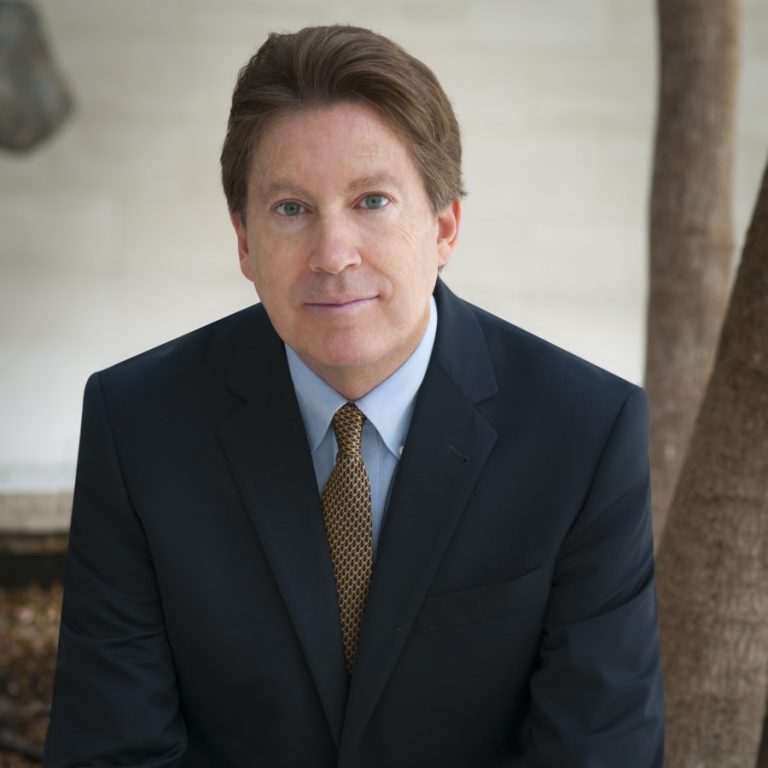
Dale Bredesen, MD, is an internationally recognized expert in aging and neurodegenerative diseases. He is the Senior Director of Precision Brain Health at Pacific Neuroscience Institute, and former Professor of Molecular and Medical Pharmacology at UCLA. Dr. Bredesen is also the founding President and CEO of the Buck Institute for Research on Aging and the Co-founder of MPI Cognition. Dr. Bredesen is the author of the New York Time’s best seller The End of Alzheimer’s: The First Program to Prevent and Reverse Cognitive Decline and The First Survivors of Alzheimer’s: How Patients Recovered Life and Hope in Their Own Words.
The People’s Pharmacy is reader supported. When you buy through links in this post, we may earn a small affiliate commission (at no cost to you).
Listen to the Podcast:
The podcast of this program will be available Monday, December 23, 2024, after broadcast on Dec. 21. You can stream the show from this site and download the podcast for free.
Download the mp3, or listen to the podcast on Apple Podcasts or Spotify.
Transcript
Click on a timestamp to play from that location
| 0:00.0 | I'm Joe Graydon. |
| 0:01.5 | And I'm Terry Graydon. |
| 0:02.9 | Welcome to this podcast of the People's Pharmacy. |
| 0:06.0 | You can find previous podcasts and more information on a range of health topics at |
| 0:11.5 | People's Pharmacy.com. |
| 0:14.5 | Drug companies have spent billions on anti-ameloid compounds to combat Alzheimer's disease. |
| 0:23.6 | Why aren't they more effective? This is the People's Pharmacy with Terry and Joe Graydon. |
| 0:31.6 | Dr. Dale Bredesen is a neuroscientist who has devoted his career to combating neurodegenerative disease. |
| 0:40.3 | He says we need to look beyond amyloid. |
| 0:43.3 | The idea that you're going to fix Alzheimer's just by doing one thing with the same amount for every person is frankly scientifically naive. Find out about the many factors that |
| 0:57.7 | contribute to dementia. Coming up on the people's pharmacy, breaking the amyloid plaque paradigm, |
| 1:05.1 | the science that could change the course of Alzheimer disease. |
| 1:21.2 | In the Peebles Pharmacy Health Headlines, Americans have long been urged to embrace polyunsaturated vegetable oils because they're low in saturated fats. These oils made from corn, peanuts, |
| 1:27.0 | safflower, soybeans, and sunflower seeds are high in omega-6 fatty acids, however. |
| 1:33.4 | They're widespread use in processed foods such as crackers, condiments, chips, bread, coffee creamers, dips, |
| 1:40.5 | and plant-based processed meat alternatives means that many, if not most, Americans |
| 1:47.0 | get a lot more omega-6 fatty acids in their diets than omega-3 fats. |
| 1:52.2 | As a result, we're exposed to their pro-inflammatory effects. |
| 1:57.5 | Researchers at the University of South Florida have now uncovered a possible consequence of that inflammation. |
| 2:05.0 | They used sophisticated technology to analyze colorectal tumors. |
| 2:10.4 | Chronic inflammation linked to seed oil consumption showed up in the biomarkers they uncovered. |
| 2:16.6 | Utilizing fats with more mono-unsaturated and omega-3 fatty acids |
... |
Please login to see the full transcript.
Disclaimer: The podcast and artwork embedded on this page are from Joe and Terry Graedon, and are the property of its owner and not affiliated with or endorsed by Tapesearch.
Generated transcripts are the property of Joe and Terry Graedon and are distributed freely under the Fair Use doctrine. Transcripts generated by Tapesearch are not guaranteed to be accurate.
Copyright © Tapesearch 2026.